
In digital dentistry, achieving both esthetics and function requires more than just accurate scans—it demands an understanding of how the patient’s jaws move. This is where Exocad’s Virtual Articulator tool in the digital dentistry workflow. Whether working on a single-unit restoration or a full-arch rehabilitation, incorporating the virtual articulator into the workflow provides a higher level of precision and predictability.
Functional Accuracy Beyond Static Models
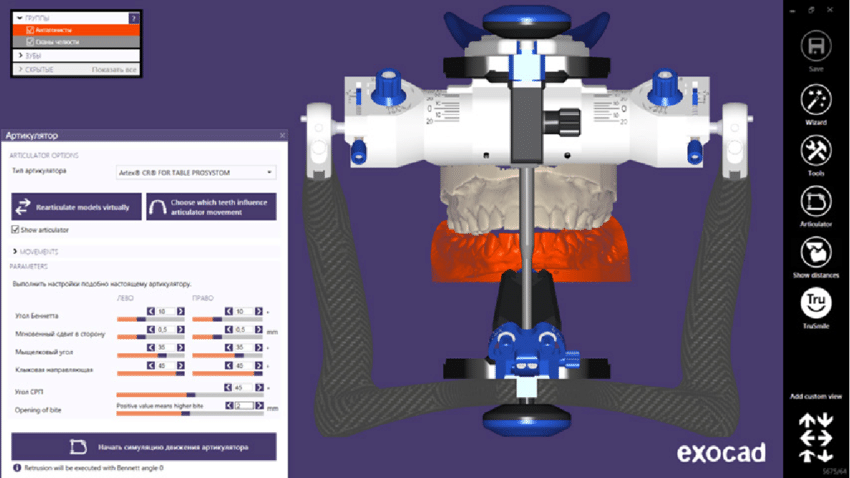
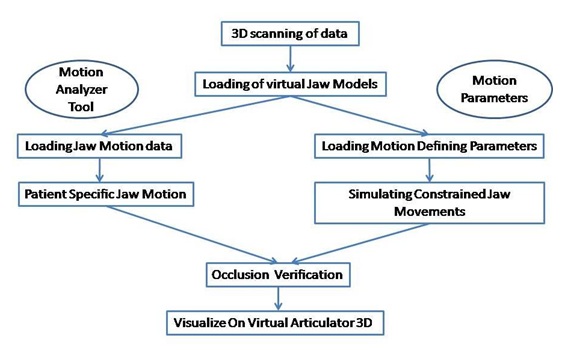
Traditional digital workflows often rely on static occlusion captured in a bite scan. While this may work for straightforward cases, it does not account for real jaw movements. The Exocad’s Virtual Articulator allows a CAD/CAM dental lab technicians to simulate mandibular dynamics such as:
• Protrusion and retrusion
• Laterotrusion (working and balancing side movements)
• Opening and closing paths
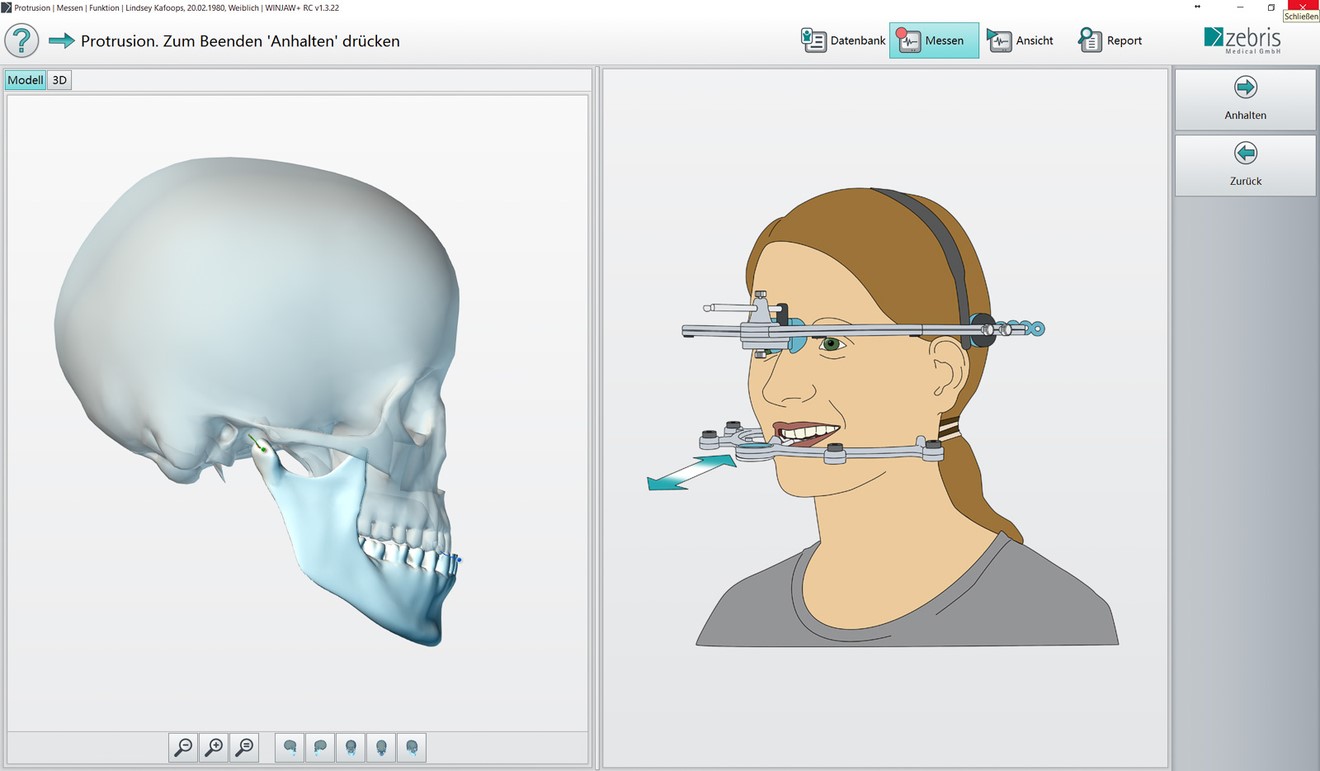
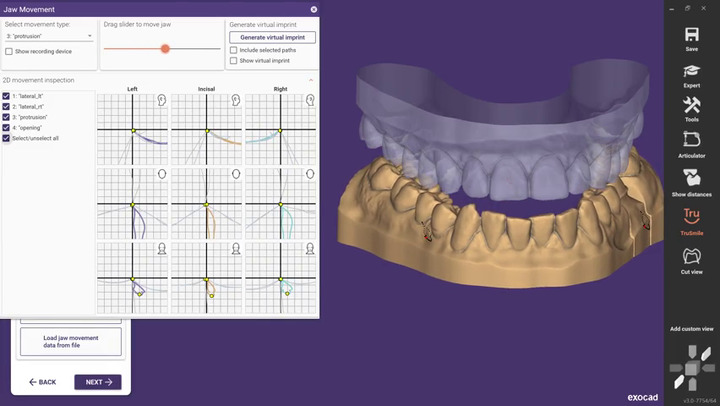
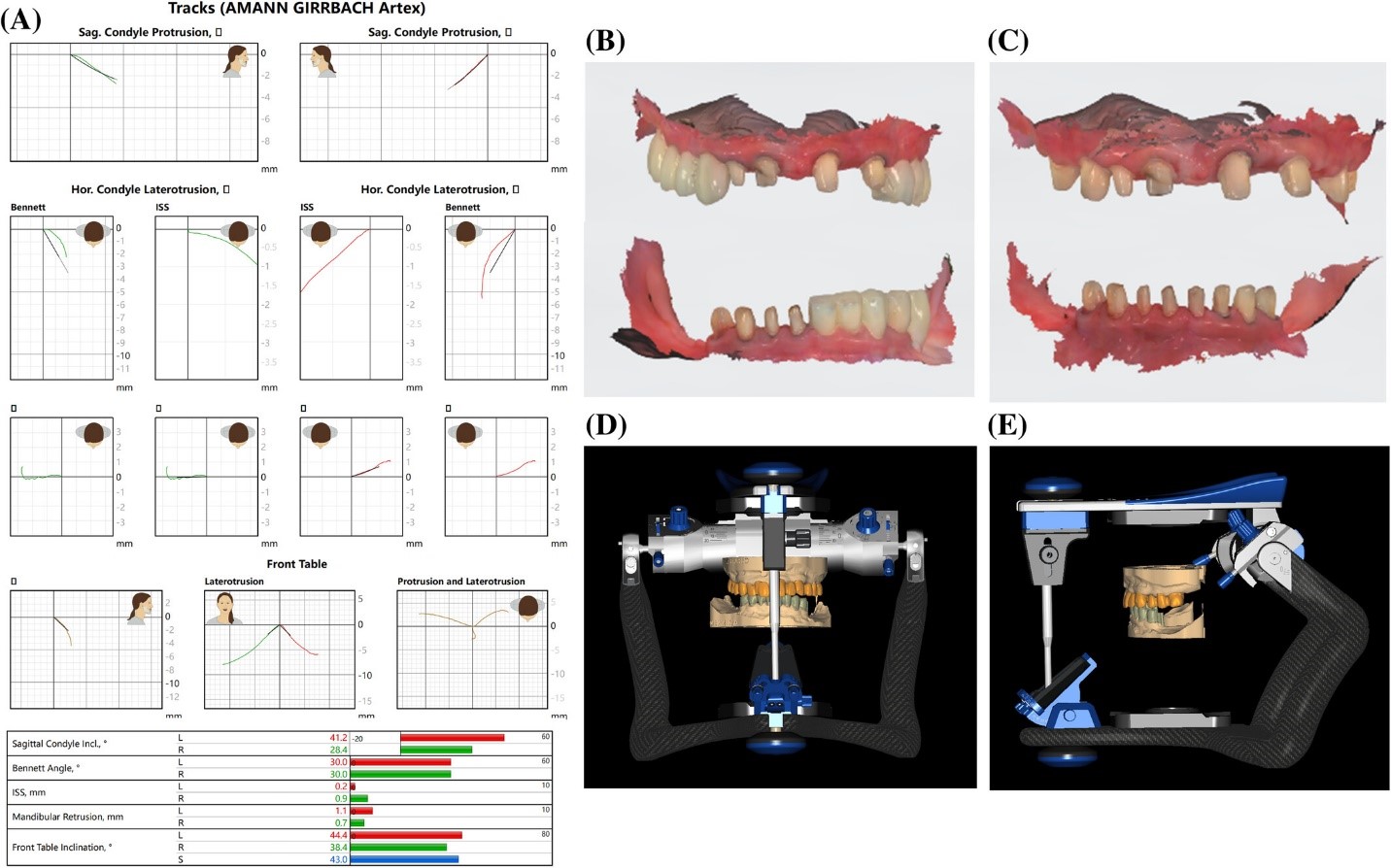
By incorporating either average value settings or patient-specific motion data (from systems like Zebris or Modjaw), restorations can be designed to function harmoniously in dynamic occlusion.
Benefits for Small Cases (Single Crowns and Short Bridges)
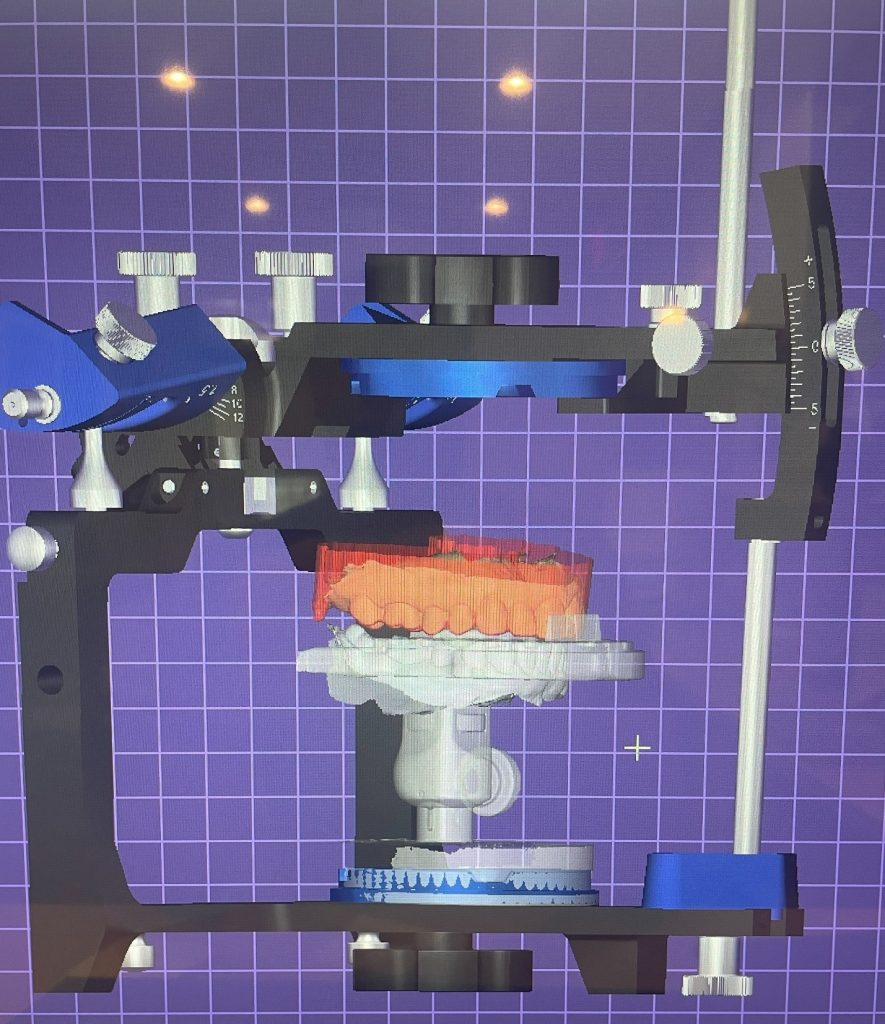
Even in single-tooth restorations, occlusal accuracy is vital. A crown that interferes with lateral movement can cause discomfort, wear, or fracture. Using the Exocad Virtual Articulator helps to deliver more precision dental restorations:
• Eliminate occlusal interference before milling.
• Ensure the new crown integrates seamlessly into the patient’s existing functional scheme.
• Reduce chairside adjustments and save valuable clinical time.
Example: Designing a single molar crown with virtual articulation ensures it does not prematurely contact during excursions, protecting both the new restoration and adjacent teeth.
Benefits for Large Cases (Full-Arch and Complex Rehabilitations)
For larger reconstructions like full-arch rehabilitation, the stakes are even higher. Full-arch and multi-unit cases demand precise occlusal schemes to ensure joint comfort, muscle harmony, and restoration longevity. The Virtual Articulator enables technicians to:
• Establish occlusion that harmonizes with the patient’s vertical dimension of occlusion (VDO).
• Test occlusal schemes digitally before fabrication.
• Simulate functional pathways to identify and eliminate interferences.
• Customize settings with real motion data for patient-specific accuracy.
Example: In a full-mouth rehabilitation, integrating Zebris jaw motion records with exocad’s Virtual Articulator provides insight into condylar guidance and movement patterns, ensuring the restorations support natural functional dynamics.
Lab-Clinic Collaboration Made Easier
When the Exocad Virtual Articulator is used, dental labs and clinic collaboration becomes much clearer. Digital records allow the lab to visualize functional parameters that were traditionally difficult to transfer from the clinic. This results in:
• Fewer remakes due to occlusal discrepancies.
• Reduced need for intraoral adjustments.
• More predictable outcomes in both small and complex cases.
Conclusion
The Exocad Virtual Articulator is not just for large, complex reconstructions, it offers measurable benefits across all types of restorative cases. For small restorations, it prevents interference and improves comfort. For full-arch or multi-unit cases, it ensures long-term stability, function, and aesthetics.
By integrating this tool into everyday workflows, dental labs and clinicians like Restorative Solutions Dental lab, can elevate the precision and predictability of restorative dentistry solutions, delivering restorations that work harmoniously with the patient’s natural function.


