
In restorative dentistry, few factors are as critical to treatment success as accurately establishing the vertical dimension of occlusion (VDO). When designing and fabricating a maxillary bite splint, capturing the correct VDO is essential—not only for comfort, but also for proper function, joint health, and long-term treatment planning.
Why Vertical Dimension Matters
The VDO refers to the vertical relationship between the maxilla and mandible when the teeth are in occlusion. Even small discrepancies in this dimension can significantly impact:
- Muscle function: Overopening or underopening alters elevator muscle activity, potentially leading to fatigue or discomfort.
- TMJ health: Incorrect VDO can strain the temporomandibular joints, exacerbating existing dysfunction.
- Occlusal stability: Bite splints that are too open or too closed create occlusal disharmony, increasing the risk of parafunction and wear.
- Restorative planning: Since bite splints are often used as diagnostic or therapeutic tools before restorative work, inaccurate VDO can lead to flawed case planning downstream.
Capturing the Desired VDO in Clinical Practice
Achieving the correct VDO is not guesswork—it requires careful assessment and accurate records. Clinicians often use a combination of:
- Phonetic tests (e.g., “closest speaking space”) to evaluate freeway space.
- Physiologic rest position to estimate optimal vertical dimension.
- Facial esthetics to ensure proportional lower facial height.
- Provisional appliances or deprogrammers to test patient tolerance before finalizing the splint.
- Once established, this VDO must be captured digitally or with precise physical records for lab transfer.
Integrating VDO into Digital Splint Design
With digital workflows, systems such as exocad’s Splint Module allow technicians to fabricate splints at the prescribed vertical dimension. To ensure accuracy:
- Digital bite records (from intraoral scanners or jaw registration devices) should reflect the desired opening.
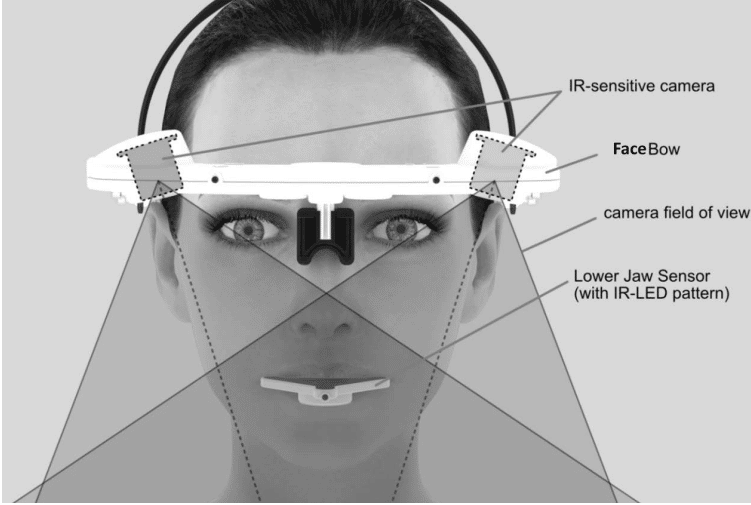
- Digital facebow or jaw motion data (e.g., Zebris or Modjaw) can help relate the VDO to actual joint function.
- Virtual articulators allow simulation of jaw dynamics at the selected VDO, ensuring splint design accommodates both static and functional movements.
Consequences of Ignoring VDO
If the desired vertical is not correctly established and transferred, clinicians and patients may face:
- Poor appliance retention and instability.
- Joint or muscle pain from altered biomechanics.
- Reduced patient compliance due to discomfort.
- The need for remakes or extensive adjustments—costly for both clinic and lab.
Conclusion
A maxillary bite splint is more than just a protective appliance—it is often a diagnostic tool that sets the stage for complex restorative or orthodontic treatments. Capturing and maintaining the desired vertical dimension of occlusion ensures that the splint provides comfort, protects the TMJ, and delivers accurate functional guidance for future treatment.
For labs and clinicians working in digital dentistry, precision in recording and transferring VDO into software like exocad is essential for predictable, high-quality outcomes.


